New Year Shoe Storage Reset: 10 Steps to Shoes You Can Actually Find
Shoes you cannot find are shoes you do not wear, and a pile by the door is the fastest way to lose a pair. One shoe hides under a coat, its partner ends up in another room, and the pair you actually need is buried at the bottom. A new year shoe storage reset gathers every pair into one place, keeps only the shoes that earn their spot, and gives each pair a home you can see at a glance, so getting out of the door stops starting with a hunt.
The ten steps below work in order, from gathering the shoes to a small habit that keeps them in place all year. None of them need new furniture or a big budget. Start with a bin bag, a laundry basket, and a cloth for wiping soles, because the reset moves faster when every shoe is clean before it goes back on a shelf. If the rest of your hallway needs the same treatment, a new year entryway reset clears the front door area the same way.
1. Gather Every Pair of Shoes Into One Place
Shoes hide in more places than you think, so gather them all first. Walk through every room and collect every pair, including the ones under the bed, in the car, and at the back of the wardrobe, and lay them in pairs on the floor. Match every shoe with its partner as you go, and set any single shoes aside to deal with later. Working with one big pile shows you exactly how many pairs you really own, and it means no forgotten pair stays hidden in a corner.
2. Let Go of the Pairs You Never Wear
Worn out shoes are the fastest pile to clear. Let go of the pairs that hurt your feet, have holes in the soles, or have not been worn all season, and bag them straight away for donation or the bin. Keep only the shoes that fit, feel good to walk in, and suit the life you actually live. A shoe shelf with only shoes you wear is a shelf where every pair is easy to find.
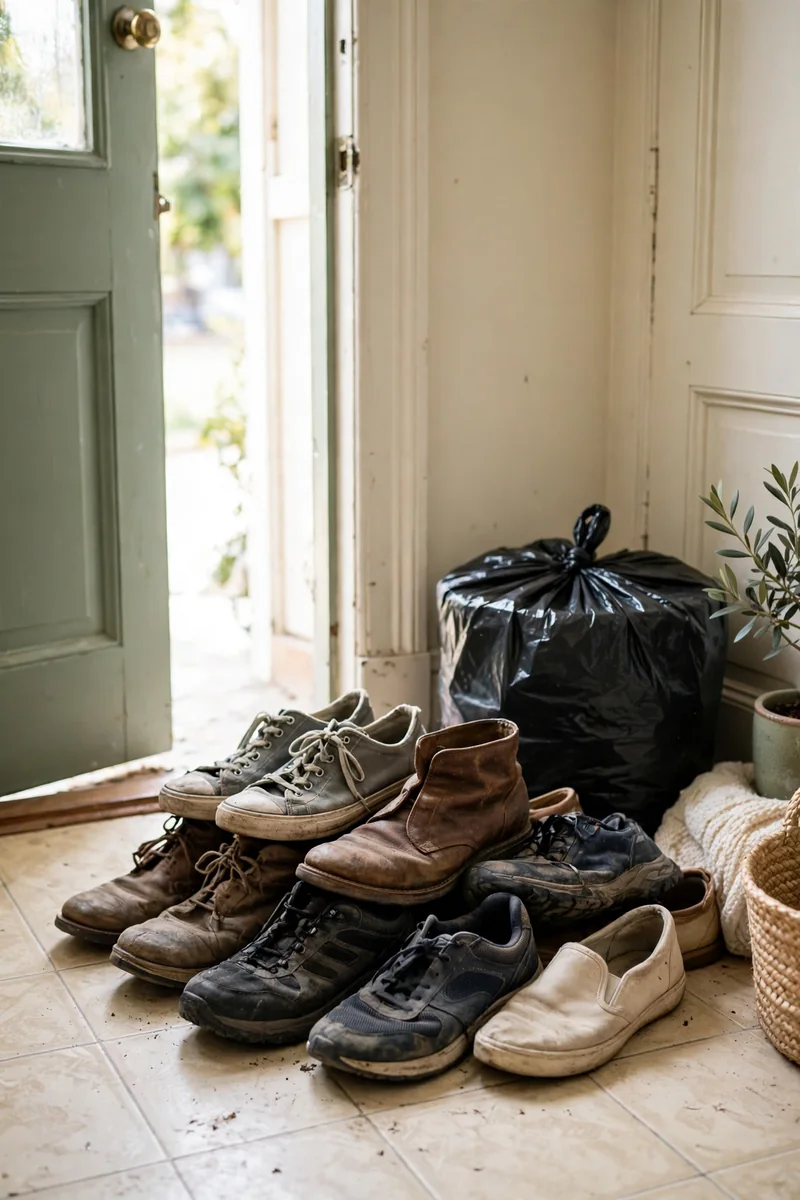
3. Clean Every Pair You Keep
Clean shoes last longer and look better on the shelf. Wipe the soles and uppers of every pair you keep, brush off dried mud, and let them air out before they go back inside. Stuff wet or soft shoes with newspaper overnight so they hold their shape while they dry. Clean shoes are easier to pair up and put away, and they keep the shelf free of dirt and smells. For more ideas on keeping shared spaces tidy, a new year mudroom reset sorts boots and outdoor gear the same way.
4. Sort Shoes by How Often You Wear Them
Shoes only work when they are grouped with a plan. Sort the pairs you keep into clear groups: everyday shoes together, work shoes together, boots together, and smart or rarely worn shoes together. Keep the everyday group nearest the door and the rarely worn group highest or furthest back, so the shoes you reach for are easy to grab. Grouping by use means you can find a pair in seconds, without digging through a pile first.
5. Give Every Pair Its Own Spot on the Shelf
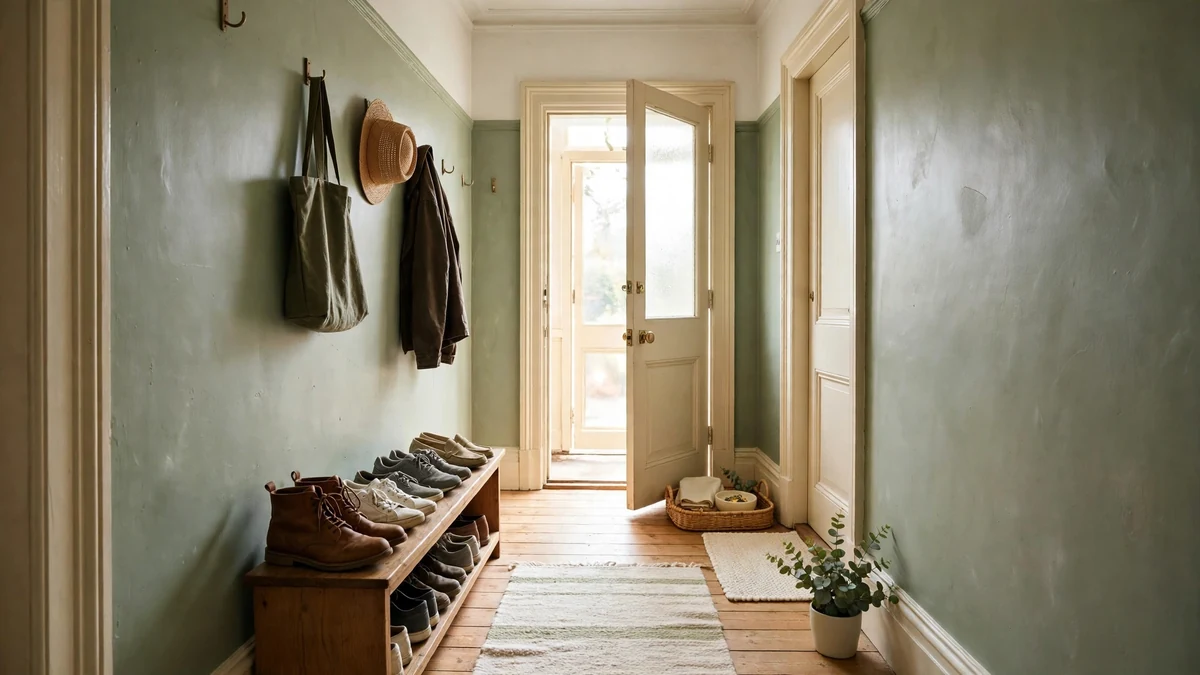
Shoes pile up when they have no fixed place to live. Give every pair its own spot on the shelf, with each pair standing side by side and facing the same way, and never stack one pair on top of another. Keep one spare spot free by the door for the pair you are wearing today, and put them back in their spot the moment you take them off. A spot per pair keeps shoes visible, and it stops a tidy shelf from sliding back into a pile.
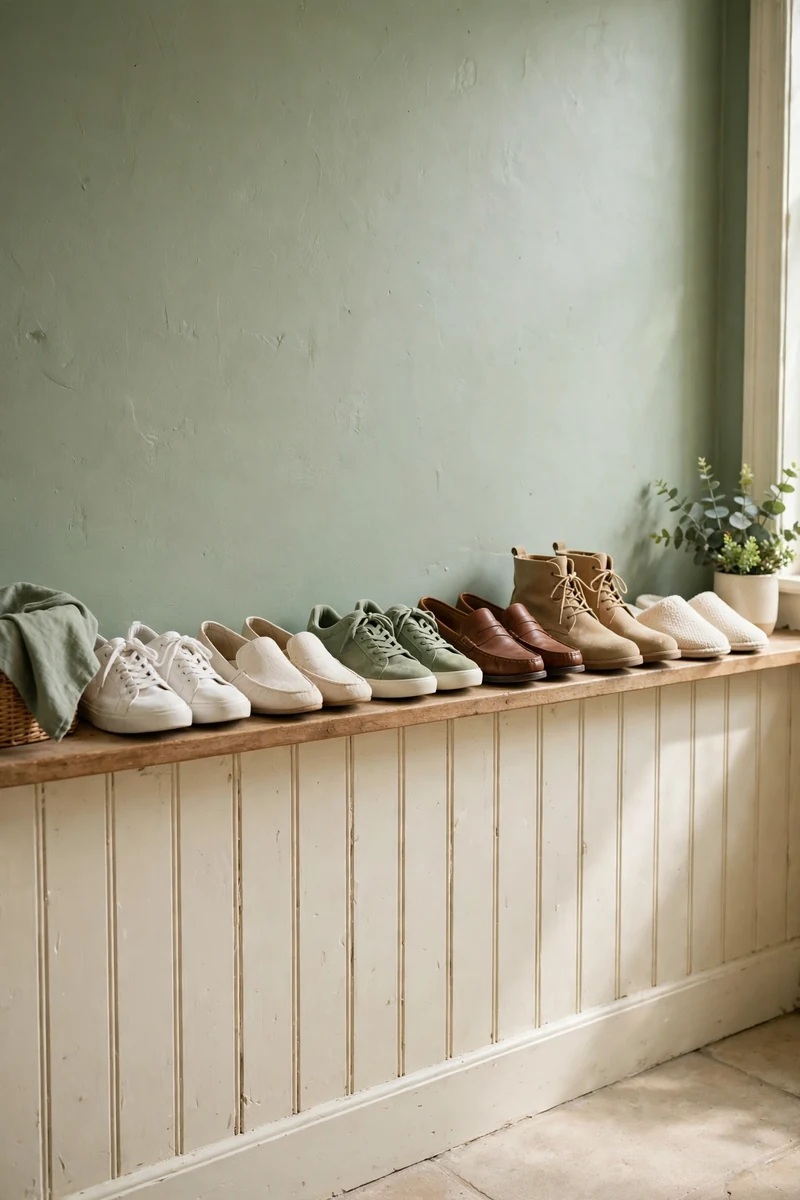
6. Use a Rack or Boxes for the Overflow
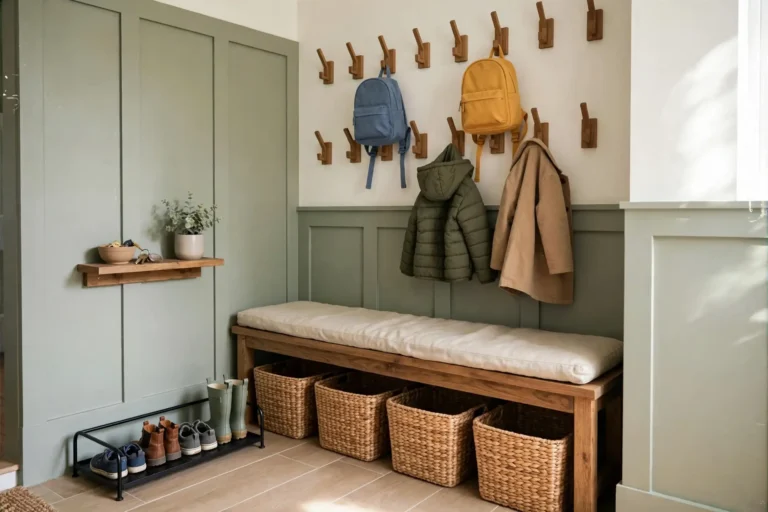
Some shoes need more than one shelf, and that is fine when the overflow has a plan. Use a small rack by the door for everyday pairs, and put rarely worn shoes in clear boxes on a higher shelf, one pair per box with the pair easy to see. Keep boots upright with a rolled magazine or a boot shaper inside, so they do not flop over and crush the pairs beside them. A rack for the daily pairs and boxes for the rest keeps every shoe reachable without crowding the shelf.
7. Add a Tray for Wet and Muddy Shoes
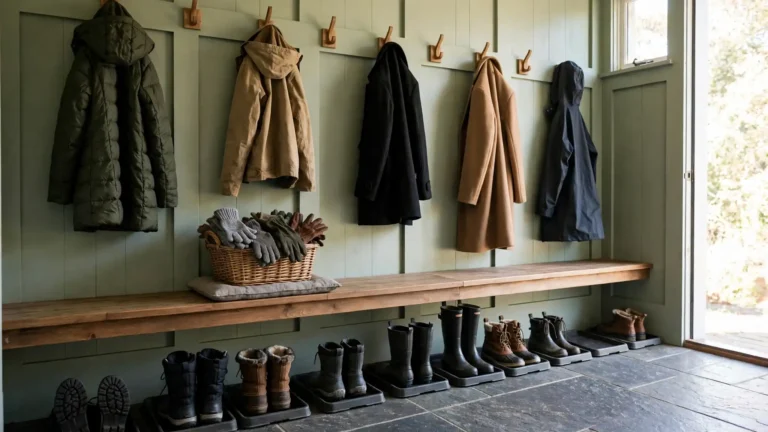
Wet shoes ruin floors and soak the pairs beside them. Add a tray by the door for wet and muddy shoes, and put every pair that comes in from rain or snow straight onto it. Empty the tray and wipe it dry once a week, and never let a wet pair sit on the shelf until it is dry. A tray keeps mud in one place, and it stops damp from spreading into the hallway.
8. Label the Boxes and the Shelves
Boxes only help when you can tell what is inside them. Label every shoe box with the pair it holds, and label the shelf sections so everyone knows where each group lives. Write the labels in big readable letters, and keep the same order every time so the system is easy to remember. Labeled boxes and shelves mean you can grab a pair without opening five boxes first, and they help the whole household put shoes back in the right place.
9. Set a One In, One Out Rule for New Shoes
A tidy shoe shelf only stays tidy when nothing new sneaks in without something leaving. Set a one in, one out rule: every time a new pair comes home, an old pair goes to donation the same day. Keep a donation bag on the shelf so the old pair leaves the house straight away, and never let a spare pair live by the back door. A simple rule like this keeps the pair count honest all year. For more ideas on keeping the entryway calm, a winter entryway reset covers the front door and hallway in more detail.

10. Do a Two Minute Shoe Tidy Every Evening
A shoe storage reset only lasts with a small routine behind it. Do a two minute shoe tidy every evening: pair up the shoes by the door, put each pair back in its own spot, and wipe the tray if it needs it. Do it when you come home, before you sit down, so it becomes part of arriving home. Keep the tidy short enough to actually do, and the shelf stays ready for the next morning.
Shoes You Can Actually Find
A new year shoe storage reset is not about buying new furniture, it is about keeping only the shoes you wear, giving every pair its own spot, and putting wet shoes on a tray until they are dry. A rack for the daily pairs, labeled boxes for the rest, and a one in, one out rule turn a pile by the door into a shelf that works every day. With only useful shoes inside, that tidy shelf lasts all year, and you can actually find the pair you need.