
New Year Recipe Binder Reset: 10 Steps to Recipes You Can Actually Find
A recipe binder that does not work makes every meal harder than it needs to be. Loose pages slip out, the recipe you want hides behind three you never cook, and the faded card you actually need is impossible to read. A new year recipe binder reset sorts every recipe into keep and let go piles, sleeves the keepers in clear pages, and adds a simple index, so the recipe you want is easy to find and cooking starts without a search.
The ten steps below work in order, from pulling every recipe out of the binder to a small habit that keeps it tidy all year. None of them need new kitchen tools or a big budget. Start with a bin bag and a stack of clear sleeves, because the reset moves faster when every recipe is sorted before it goes back inside. If the rest of the kitchen needs the same treatment, a new year kitchen reset clears the counters and cupboards the same way.
1. Pull Every Recipe Out of the Binder
A recipe binder cannot be sorted while it is still full, so empty it first. Pull every recipe card, torn magazine page, and printed sheet out of the binder and lay them on the kitchen table, including the loose pages stuffed at the back and the ones folded into the pockets. Wipe the binder cover and check the rings while it stands empty. Working with an empty binder shows you exactly how many recipes you really own, and it means no forgotten recipe stays hidden behind the others.
2. Sort Recipes into Keep, Try and Let Go Piles
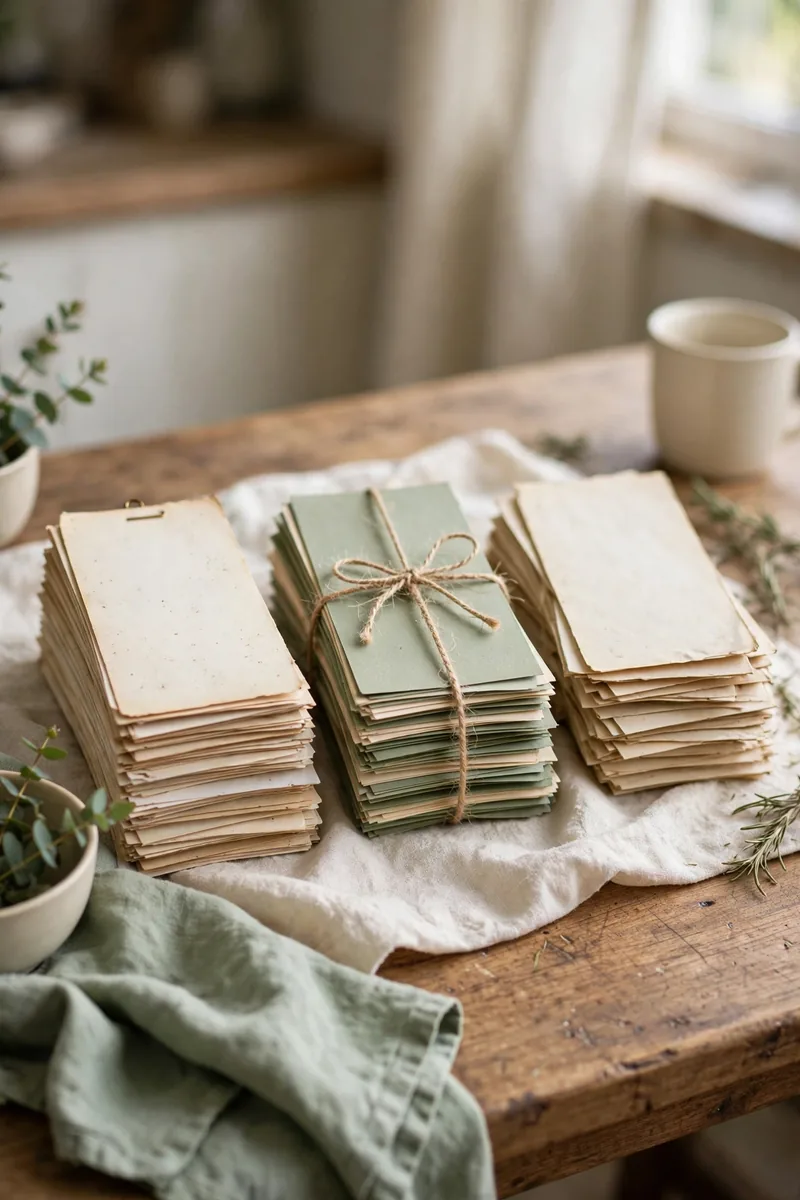
Recipes pile up when nobody decides which ones matter. Make three piles on the table: keep for the recipes you cook again and again, try for the ones you still want to test, and let go for the ones you never cook. Be honest about the keep pile, and keep it small enough that every recipe in it earns its sleeve. Sorting into three piles means the binder only holds recipes that deserve a place. For more ideas on sorting kitchen clutter, a new year pantry reset groups ingredients the same way.
3. Toss the Recipes You Never Cook
Recipes you never cook are the fastest clutter to clear. Look at the let go pile and ask why each recipe is still there: a dish nobody liked, a recipe that needs ingredients you never buy, or a page you tore out and forgot. Recycle the whole pile, and do not keep a recipe just because it looks nice. A binder with only recipes you cook is a binder where every page earns its place.
4. Group the Keepers by Meal and Season
Keepers are hard to find when they sit in no order at all. Group the keep recipes by meal, mains, sides, baking, and puddings, and put the seasonal favourites together inside each group. Keep the weeknight dinners at the front of the mains section, and the slow weekend recipes behind them. Grouping by meal means the recipe you need is always in the section you open first.
5. Rewrite the Faded Recipes on Clean Cards
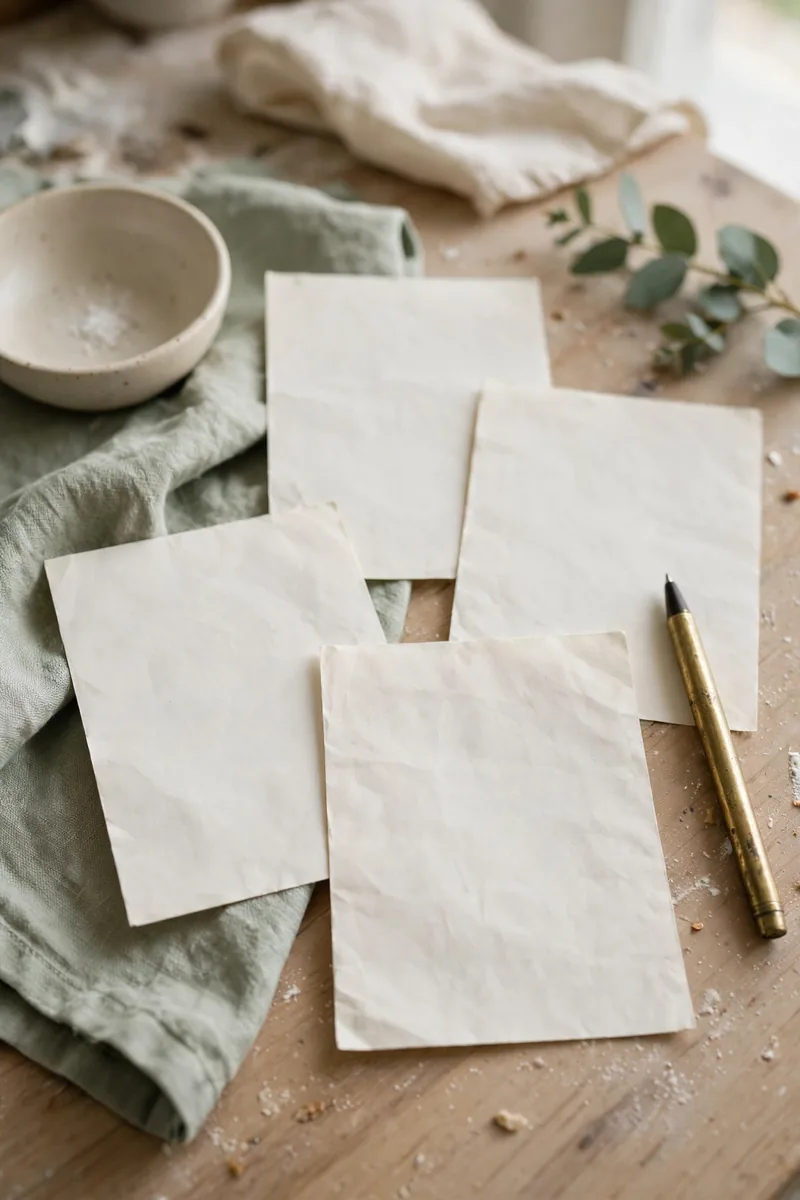
A recipe you cannot read is a recipe you cannot cook. Rewrite any faded, stained, or torn recipe onto a clean card in clear handwriting, and check the amounts and the method as you copy it. Throw the old card away once the new one is written, so only one readable copy exists. Clean cards mean the recipe works the first time you cook from it, and they keep the binder looking tidy.
6. Slip Every Recipe into a Clear Sleeve
Loose recipe cards stain, tear, and slip out of the binder. Slip every keeper into a clear sleeve before it goes back in, one recipe per sleeve, so spills wipe off and pages stay flat. Put the sleeves back in the binder in the same order as your groups, and leave a few empty sleeves at the back for new recipes. Clear sleeves keep the recipes safe from splashes, and they stop pages from falling out when the binder is carried around the kitchen.
7. Add Dividers and a Simple Index Page
A binder without dividers is just a stack of pages. Add a divider for each meal group, label it clearly, and write a simple index page at the front listing every recipe and the divider it sits under. Keep the index short, one line per recipe, so you can scan it in seconds. Dividers and an index mean you find the recipe before you start cooking, not halfway through.
8. Add a Pocket for New Recipes to Try
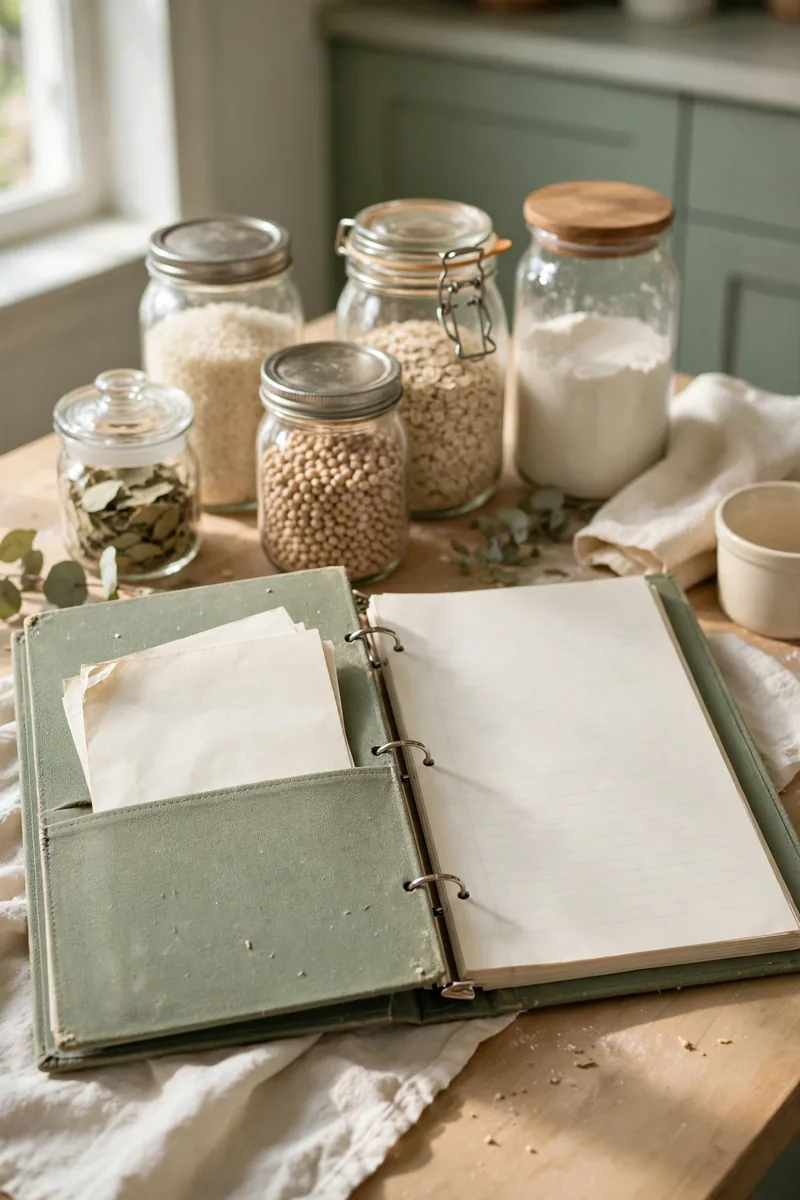
New recipes need a home, or they pile up on the counter. Add a pocket or a clear folder at the back of the binder for recipes you want to try, and drop every new clipping or printout straight into it. Test one recipe from the pocket each week, and move the winners into the right section or recycle the ones that fail. A try pocket keeps new recipes together, and it means the counter stays clear.
9. Put a Pantry Staples List at the Front of the Binder
A recipe is no help when the pantry is missing its key ingredient. Write a pantry staples list of the ingredients your keep recipes use most, and slip it into the front of the binder behind the index. Check the list before you shop, and tick off anything that runs low. A staples list at the front means the ingredients are in the cupboard before you start cooking. For more whole kitchen reset ideas, a new year freezer reset clears the frozen ingredients the same way.
10. Do a Ten Minute Binder Check Every Month
A recipe binder reset only lasts with a small routine behind it. Do a ten minute binder check every month: move any recipe from the try pocket into its section or out of the binder, update the index with new recipes, and pull out any recipe you stopped cooking. Do it on the first Saturday of the month, before you plan the weekly shop, so the binder is ready before the cooking begins. Keep the check short enough to actually do, and the binder stays useful all year.
Recipes You Can Actually Find
A new year recipe binder reset is not about buying a new binder, it is about keeping only the recipes you cook, grouping them by meal, and protecting them in clear sleeves with an index at the front. Clean cards, labeled dividers, a try pocket, and a pantry staples list turn a stuffed binder into a cookbook that works every time you open it. With only useful recipes inside, that tidy binder lasts all year, and cooking starts without a search.